Common Wheelchair Hazards in the Home

Mar 29, 2019 | Wheelchair Hazards

Individuals utilize wheelchairs for a large variety of reasons. Wheelchairs are a highly popular choice – in terms of mobility devices – and are, generally, considered to be the safest option for those who have a desire to maintain their independence.
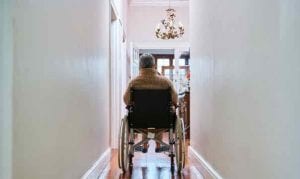
Wheelchair at Home

Despite the comfort, safety, and the ability to move from one location to another, each year, many experience accidents while using wheelchairs.

These most often occur because of hazards within the home. In this guide, you will learn about the most common of these hazards and will learn a few tips to help overcome those hazards.

Doors

The first and most common hazard in the home for a wheelchair user are the doors located in and around the residence. Accessibility issues are commonly reported with doors.

Many are too heavy to be easily opened by a wheelchair user. This is especially true if the person has poor upper body strength or issues with their hands.

In addition to being difficult to open, heavy doors may also shut too fast for a person attempting to enter in a wheelchair. In many instances, a door may not be large enough for wheelchair access.

To ensure full wheelchair accessibility, one must make sure doors have the right opening force, closing speed, and the proper amount of space for the mobility device to easily maneuver in and out.

Bathrooms

The next hazard that is commonly encountered by wheelchair users is the bathroom in the home. In short, this is often because bathrooms are not originally constructed to accommodate wheelchairs and other types of mobility devices.

If you or your loved one has transitioned to a wheelchair, it is time to have your bathroom remodeled so that it accommodates the size and maneuverability of the mobility device.

This means the floor space should be increased, sinks should be lowered, walk-in or ride-in shower or tub stalls should be installed, and other devices – such as handrails, benches, grab bars, and seats designed for transfers – should be placed in the bathroom.

Outdoor Access Points

The next area that is considered to be a hazard for wheelchair users are the outdoor access points.

Most falls and other wheelchair-based accidents occur when going in and out of the home because these areas are not considered to be appropriately constructed for these types of mobility devices.

There may be steps, stairs, or other complications that prevent the wheelchair user from safely going in and out of the home. In some instances, it is costly and difficult to make outdoor access points accessible.

One of the safest measures that you can take is to opt for wheelchair lifts. These will help you or your loved one easily and safely bypass all outdoor access points obstacles.

We Enhance Accessibility

If you or your loved one uses a wheelchair, we can help resolve all of the challenges that may be faced in and around the home. We can help with bathroom modifications, widening doors, installing wheelchair lifts in New Jersey, and more!

All you have to do is contact us and we can work together to determine your needs. Then, we can evaluate the home to determine the next steps to be taken. For more information, contact us today by calling: 973-219-4147

Falls are one of the most common causes of injury in the home, especially in bathrooms, stairways, and entry points. Slippery surfaces, limited balance, and poor leverage can turn everyday movements into serious safety risks. One of the most effective and affordable solutions for reducing these risks is the proper installation of grab bars.

Grab bars are a cornerstone of home accessibility and aging-in-place solutions, offering reliable support exactly where it’s needed most.

Why Grab Bars Are So Important for Home Safety

Many people assume grab bars are only for showers or hospitals, but the reality is they can significantly improve safety throughout the home. Properly placed grab bars help reduce strain, improve stability, and provide a secure handhold during transitions like sitting, standing, or stepping over thresholds.
Grab bars are especially beneficial in:

  • Bathrooms (showers, tubs, and near toilets)
  • Stairways and hallways
  • Entryways and garages
  • Bedrooms and other frequently used areas

According to safety experts, bathrooms are one of the highest-risk areas for falls, making grab bars a critical component of fall prevention and home modification strategies.

Grab Bars vs. Towel Racks: A Critical Difference
One of the most common—and dangerous—mistakes homeowners make is relying on towel racks or fixtures for support. These items are not designed to bear body weight and can easily pull out of the wall, leading to serious injury.

Professionally installed grab bars are:

  • Anchored securely into wall studs or reinforced walls
  • Designed to support significant weight
  • Installed at the correct height and angle for safe use

This is why professional assessment and installation are so important.

Customized Placement Makes All the Difference

Not all grab bars are created equal, and placement matters just as much as the product itself. The right location depends on factors like:

  • User height and reach
  • Balance and mobility needs
  • Bathroom layout and daily routines

That’s why our home accessibility company offers free home evaluations performed by qualified therapists. These professionals assess the home environment, identify fall risks, and recommend grab bar placement that enhances safety and usability—at no cost to you.

Stylish, Modern Options for Any Home

Today’s grab bars are far more discreet and stylish than many people expect. They are available in:

  • Multiple finishes to match bathroom fixtures
  • Straight, angled, and curved designs
  • Styles that blend seamlessly with home décor

This means safety upgrades don’t have to make a home look institutional.

A Proactive Step Toward Aging in Place

Installing grab bars is one of the simplest ways to support long-term home safety. Whether someone is recovering from surgery, managing a chronic condition, or planning ahead, grab bars provide peace of mind for homeowners and families alike.

Combined with a professional home safety evaluation, grab bars can help reduce fall risk and create a more supportive living environment—without major renovations.

Schedule Your Free Home Safety Evaluation

Our team specializes in home accessibility solutions that help people stay safe and comfortable where they live. We proudly offer free home evaluations conducted by qualified therapists, ensuring every recommendation is tailored, practical, and effective.

If you’re considering grab bars or other home safety modifications, contact us today to schedule your no-cost evaluation and take the first step toward a safer home.